Understanding Your Bird’s Molting and Feather Care
Molting is a natural biological process that all birds experience, during which old or damaged feathers are replaced with new ones. This periodic shedding and regrowth of feathers can significantly affect a bird’s appearance, energy levels, and mood. For bird owners, understanding what happens during molting is an important step in providing appropriate care. While molting is a routine part of a bird’s life, the way it unfolds varies among species, and the support provided by an owner can influence how smoothly the process progresses. This article explores the basics of molting, the signs to expect, and the nutritional and environmental factors that can support feather health during this time.
Feathers are essential for flight, insulation, and communication, so maintaining them in good condition is a priority for any bird. During molting, the body redirects energy toward feather production, which can lead to changes in behavior and appetite. Observing these shifts without alarm is key, as molting is not a sign of illness but rather a normal cycle. The aim of this article is to offer a neutral, information-based overview of how molting works and what caregivers can consider to help their birds through this process. All suggestions are framed as contextual options that may be beneficial, not as guarantees or replacements for professional veterinary guidance.
By focusing on the underlying principles of feather growth and the body’s needs during molting, this article provides a framework for understanding why certain practices—such as adjusting diet or providing bathing opportunities—are often recommended. The content is designed to be informative and process-oriented, emphasizing transparency about what is known and what remains variable. For any specific concerns about an individual bird, consulting an avian veterinarian remains the most reliable course of action.
What Is Molting and Why Does It Happen?
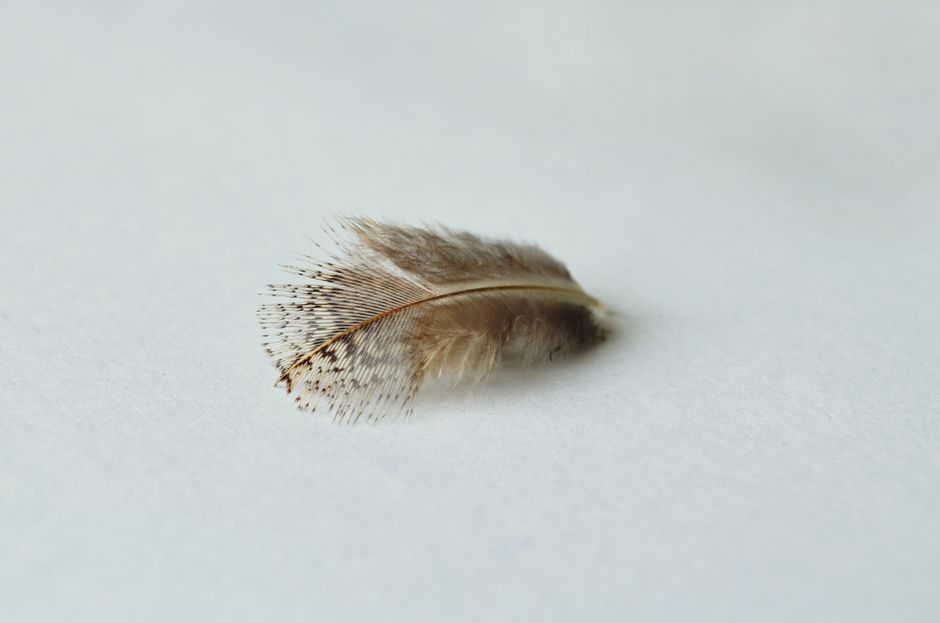
Molting is the process of shedding and replacing feathers. It occurs at regular intervals, though the frequency and duration depend on the species, age, season, and overall health of the bird. Most pet birds undergo a complete molt once or twice a year, often in response to changes in daylight length or temperature. During a molt, feathers are lost gradually rather than all at once, which helps maintain the bird’s ability to fly and regulate body temperature. New feathers emerge as pin feathers, which are enclosed in a protective keratin sheath and are rich in blood supply until they fully develop.
The purpose of molting is to replace worn or broken feathers that have lost their insulating or aerodynamic properties. It also allows for seasonal color changes in some species. The process is hormonally regulated and can be influenced by stress, nutrition, and environmental conditions. While molting is a normal physiological event, it places significant metabolic demands on the bird. The body must allocate resources to produce proteins and other nutrients required for feather synthesis. This increased demand can make a bird more sensitive to deficiencies or imbalances in its diet.
Understanding the natural timing and mechanics of molting helps owners distinguish between a normal molt and potential health problems. For example, a bird that is molting may appear slightly less active or may preen more frequently, but these behaviors should be seen in the context of the overall process. If a bird shows signs of extreme lethargy, feather loss in patches, or prolonged failure to regrow feathers, these may indicate an underlying issue that requires veterinary attention.
Signs and Behavioral Changes During Molting
During molting, birds often exhibit a range of physical and behavioral changes. Physically, the most obvious sign is the presence of dropped feathers around the cage or living area. The bird may also develop small, spiky pin feathers on the head, neck, and body. These pin feathers are sensitive because they contain a blood supply, and birds may be more irritable or reluctant to be handled during this time. It is common for molting birds to spend extra time preening to remove the sheaths from new feathers and to align them properly.
Behaviorally, a bird in molt might seem more tired or less playful than usual. Some birds may experience a decrease in appetite, while others may eat more to compensate for the energy required for feather growth. Mood changes are also frequently observed: a normally friendly bird might become grumpy or nippy, especially if pin feathers are touched. These reactions are a natural response to the discomfort associated with new feather emergence. Providing a calm environment and avoiding unnecessary handling can help reduce stress during this sensitive period.
Other common signs include increased bathing behavior, as moisture can help soften the sheaths around new feathers, and a temporary change in vocalization. It is important to note that the intensity of these signs varies widely among individuals. Some birds molt almost imperceptibly, while others show pronounced changes. Observing the bird’s overall pattern over time provides the best context for interpreting these signs. If the bird continues to eat, drink, and maintain normal droppings, the molt is likely proceeding as expected.
Nutritional Support for Healthy Feather Growth
Feathers are composed mainly of protein—up to 90% keratin—so adequate protein intake is a foundational requirement during molting. High-quality protein sources, such as legumes, cooked eggs, or specially formulated pelleted diets, can provide the amino acids needed for feather synthesis. In addition to protein, certain vitamins and minerals play critical roles. Vitamin A supports skin and feather follicle health, while B vitamins, particularly biotin, are involved in keratin production. Calcium and zinc are also important for feather structure and strength.
Many commercial bird diets are designed to be nutritionally complete, but during molting, the body’s demand for specific nutrients may increase. Offering a variety of fresh vegetables, leafy greens, and occasional protein-rich treats can help meet these elevated needs. However, it is important to avoid sudden drastic changes to the diet, as this can cause digestive upset. Gradually introducing new foods and ensuring that the bird continues to eat its staple diet is a more balanced approach. Supplements should only be used under the guidance of a veterinarian, as excesses of certain vitamins can be harmful.
Hydration is another key factor. Feather growth requires adequate water intake for cellular processes and nutrient transport. Clean, fresh water should always be available. Some owners choose to provide additional moisture through wet vegetables or occasional fruit pieces. While diet alone cannot guarantee a perfect molt, a well-rounded nutritional foundation supports the body’s ability to produce strong, healthy feathers. Any dietary adjustments should be considered as part of an overall care strategy that includes environmental factors and regular observation.
The Role of Bathing in Feather Maintenance
Bathing is a natural behavior for many birds and can be particularly beneficial during molting. Moisture helps soften the keratin sheaths on emerging pin feathers, making it easier for the bird to remove them through preening. Additionally, bathing can soothe irritated skin and help keep the feathers clean and well-aligned. Offering a shallow dish of lukewarm water or gently misting the bird with a spray bottle are common methods. The frequency of bathing can be adjusted based on the bird’s preference and the humidity of the environment.
Not all birds enjoy the same bathing routine. Some prefer to bathe in a bowl, while others respond better to a gentle mist. Observing the bird’s reactions and allowing it to choose whether to participate is important, as forcing a bath can cause stress. After bathing, providing a warm, draft-free area for drying helps prevent chilling. The bird will typically preen extensively after a bath, which aids in aligning the new feathers and removing debris.
Bathing also supports the natural oil distribution from the uropygial gland, which helps waterproof and condition feathers. While bathing does not directly cause feathers to grow faster or stronger, it contributes to the overall condition of the feather coat and can make the molting process more comfortable for the bird. As with all care practices, bathing should be introduced gradually and with attention to the bird’s comfort. If a bird shows signs of stress or reluctance, alternative methods or less frequent baths may be more suitable.
Environmental Factors That Can Influence Molting
The environment in which a bird lives plays a role in how molting progresses. Light exposure, particularly the duration and intensity of daylight, can trigger hormonal changes that initiate molting. Many bird species molt in response to decreasing day length in autumn or increasing day length in spring. In indoor settings, artificial lighting that mimics natural cycles may help regulate the molting schedule. Providing a consistent day-night cycle with about 10 to 12 hours of light per day is often recommended, though individual needs vary.
Humidity levels also affect feather condition. Dry air can make the sheaths on pin feathers harder and more difficult to remove, while moderate humidity can ease the process. Using a humidifier in the room or placing a shallow water dish near the cage (if safe) can help maintain adequate moisture. Temperature should be kept stable and comfortable, avoiding drafts or extreme fluctuations. Stress from loud noises, frequent disruptions, or the presence of predators (including other pets) can delay molting or cause abnormal feather loss. Creating a calm, predictable environment supports the bird’s overall well-being during this demanding period.
Enrichment activities, such as foraging toys or gentle music, can help keep a molting bird engaged without causing stress. However, it is important to respect the bird’s decreased energy levels and allow extra rest time. Some birds may benefit from a slightly reduced social interaction if they show signs of irritability. Observing the bird’s behavior and adjusting the environment accordingly is a practical way to support the molting process. No single environmental change can guarantee a smooth molt, but a combination of appropriate lighting, humidity, and low-stress conditions can create a supportive backdrop for feather regrowth.
When to Consult an Avian Veterinarian
While molting is a normal process, certain situations warrant professional evaluation. If a bird loses feathers in large patches without regrowth, develops bald spots, or shows signs of pain (such as excessive scratching, bleeding, or plucking), these may indicate an underlying health issue rather than a typical molt. Similarly, if the bird becomes lethargic, stops eating, or has changes in droppings that persist beyond a few days, veterinary assessment is advisable. Feather abnormalities such as curled, discolored, or brittle feathers can also point to nutritional deficiencies or disease.
Another reason to seek veterinary input is if the molt seems to last longer than expected or if the bird fails to regrow feathers after several weeks. Chronic molting or repeated abnormal molts can be a sign of hormonal imbalances, parasites, or metabolic conditions. An avian veterinarian can perform a physical examination, review the bird’s diet and environment, and recommend any necessary diagnostic tests. They can also provide guidance on safe supplements or treatments if needed.
It is important to remember that this article does not replace professional medical advice. The information presented here is intended to help caregivers understand the molting process and the factors that may influence it. Each bird is unique, and what works for one individual may not be appropriate for another. Consulting with a veterinarian who specializes in avian medicine is the most reliable way to address specific concerns and ensure that any underlying conditions are properly managed.